



Recently, scammers posing as bank staff have been calling victims, claiming their accounts will be frozen due to certain issues. The scammers ask victims to verify their identities by answering questions—thus stealing personal and bank account details! They may also instruct victims to transfer funds to them in order to unfreeze their accounts.
Empowering you to bank safely and securely
Impersonation Scams
Uncover impersonators by understanding their tactics
WHAT ARE IMPERSONATION SCAMS?
Impersonation scams happen when a scammer contacts you pretending to be from a trusted business, bank, or government agency. They claim there’s an urgent issue that needs your personal details to fix — but their real goal is to steal your information and commit fraud.
In some cases, they may also threaten you and demand that you transfer money to them.
defrauding trick
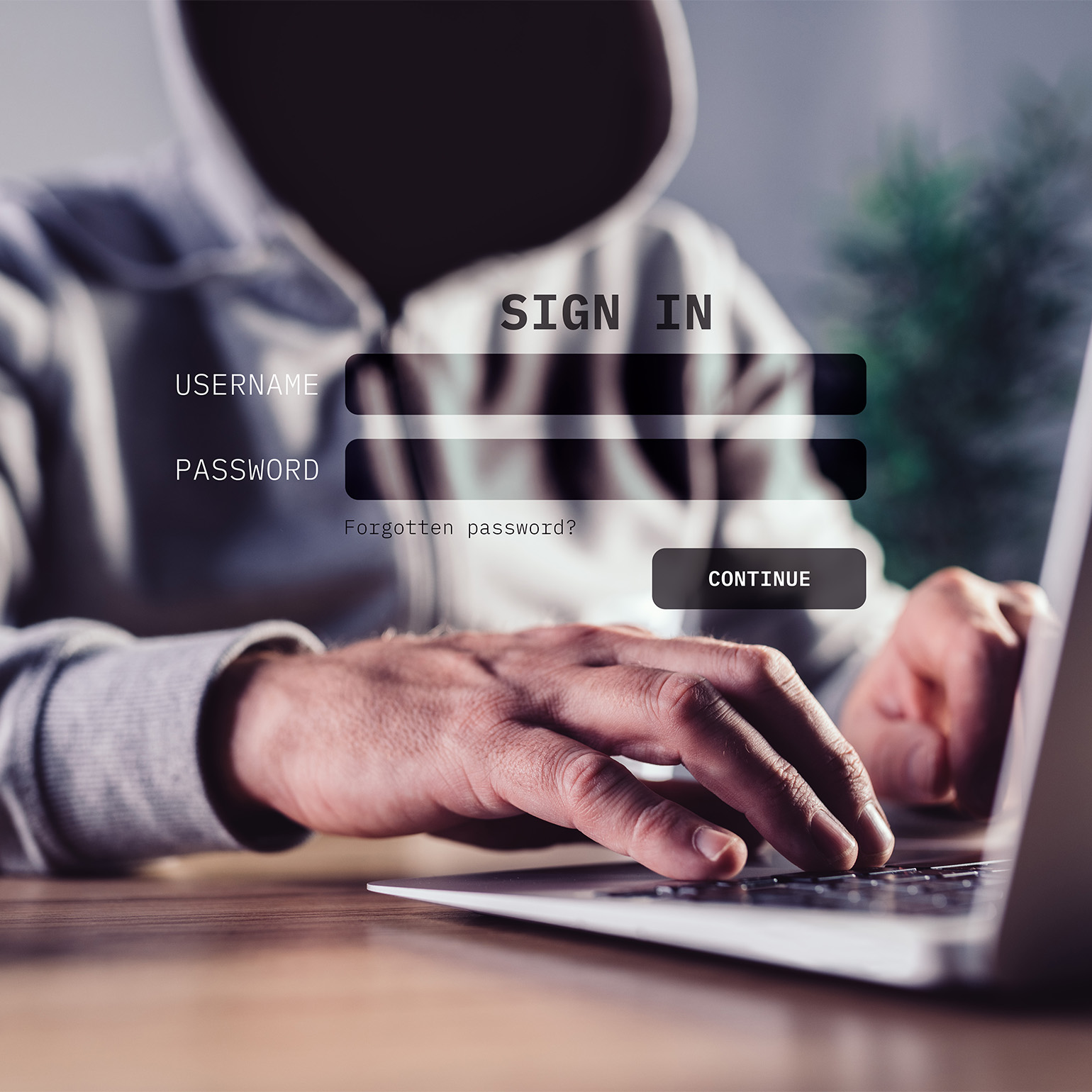
Phone Scammers Impersonating Bank Staff
Our Advice
- Do not believe unknown callers who claim to be bank staff, and do not disclose your personal/account/login information to them.
- Even if the caller provides you with information about relevant bank staff members, it does not necessarily mean that they are genuine bank staff, as scammers can obtain this information through unlawful means.
- Stay alert when receiving calls purportedly from bank staff. Contact the bank to verify the call.
- Remind friends and relatives to stay vigilant.
- If in doubt, please call the Anti-Scam Helpline on 18222.
defrauding trick
Beware of Phone Scammers Impersonating Customer Service Staff of Short Video Platform
Recently, the police have received reports about calls from scammers claiming to be customer service staff for a short video platform. The scammers claimed that the recipients had activated VIP member services and must pay handling charges to cancel the services or risk having their accounts frozen. The victims were instructed to transfer money to specific bank accounts.

Our Advice
- Staff of short video platforms will never ask users to download third-party software or make transfers.
- Do not trust a caller solely based on the phone numbers they provide. Always verify their identities by making enquiries with the relevant organisations.
- If you receive calls purportedly from staff of any organisations, be sure to search the corresponding contact phone numbers on official websites or applications.
- Enter the suspicious URL on “Scameter” or “Scameter+” (the mobile application of “Scameter”) to assess the risk of fraud and cyber security in addition to seeking verification from relevant organisations.
- Remind friends and relatives and friends to stay vigilant.
- If in doubt, please call the Anti-Scam Helpline on 18222.
Impersonation scams come in many forms and can include:
Bank impersonation scams
The victim will receive a call from someone pretending to be from a bank asking to discuss certain ‘issues’ with financial transactions made on their accounts or cards. When victims respond that they are not aware or made such transactions, scammers will then tell them they need to ‘transfer’ the call to a police or government officer for investigation. The call is then forwarded to another scammer, part of the same criminal network, who will identify themselves as the officer and trick the victim into providing their personal information and bank account details under the guise of solving their issue.
Some scammers may even use the names of real police or government officers to gain the trust of the Victims.
Social media impersonation scams
Scammers will often use compromised or spoofed social media accounts to impersonate their target’s friends or followers on Facebook or Instagram. They use this to ask their targets for personal details such as mobile number, internet banking account details and OTP on the pretext of helping their targets sign up for (fake) contests or promotions. Victims later discover that fraudulent transactions have been made from their bank accounts and mobile wallets.
Fake friend call scams
Victims of this scam usually receive calls from unknown numbers, where the scammers will ask them to guess who they are. Believing that they were acquainted, victims would then reveal the name of the person who they thought most resembled the caller’s voice. The scammers then assume the identity of that friend and claim to have lost their handphone or changed their contact number. Other times, they will claim to be a long-lost friend and use vague details about themselves and their supposed past relationship to trick their victims into believing them. They will then often proceed ask their victims for urgent financial assistance, with the promise of paying them back soon, and get them to transfer money to unknown bank accounts. Victims then only discover that they have been scammed after contacting their actual friends or trying to contact the original caller back and never getting an answer.
HOW TO AVOID BECOMING A VICTIM OF IMPERSONATION SCAMS
-
Be sceptical
Impersonation scams usually start from unsolicited calls or requests.
Do not trust lofty promises, deals that seem too good to be true, or individuals who call or message you – unsolicited – to ask you to divulge personal information over the phone.Banks will never transfer calls to external parties like the Police or government officials. Neither the Police, government, nor bank officers will ever ask you to transfer money, disclose your online banking credentials or ask you to install mobile apps from unofficial app stores.
-
Do not give in to pressure
Never make financial decisions, give away sensitive details about yourself or anyone you know or sign any documents under pressure.
-
Ignore, block and report
When contacted, hang up immediately if the caller cannot properly identify themselves.
Do not call any numbers or click on any links in SMSes that claim to be from OCBC. OCBC will never send you SMSes or emails with clickable URLs. Block and report the number used to contact you. -
Do your checks
Always verify the authenticity of the information shared with you, or requests made to you, by contacting the organisation directly (e.g. at their website or email address, or via their app or hotline).
-
Protect your money
Do not send money to someone whom you have not met.
Be responsible for all banking transactions involving your account and do not allow others to perform transactions on your behalf. You may be unknowingly laundering money for criminals – this is a criminal offense that carries hefty fines and prison time.