
- Hackers impersonate financial institutions and send phishing messages to victims, asking for information pertaining to irregularities with their accounts or transactions.
- The victim is lured to a fraudulent website where they are asked to provide their mobile numbers and one-time-passwords.
- The hackers then hijack the accounts using another mobile phone and transfer funds out of the account.
- Sometimes, hackers gather personal information through various channels (e.g. system loopholes, the dark web). By impersonating bank staff, they use this information to gain their victims’ trusts. They then tell the victims that their accounts will be frozen unless the victims provide their PIN or one-time-passwords. The hackers can then gain access to the accounts.
Empowering you to bank safely and securely
Phishing scams
Learn to spot and avoid one of the most prevalent scams in Hong Kong.
What is a phishing attack?
A phishing attack is when hackers send emails or texts pretending to be from banks, government agencies or merchants to lure victims into visiting fraudulent websites. The websites trick victims into entering their login credentials, personal info, or credit card details.
Some messages may also contain malicious links or attachments that infect devices with malware (software designed to compromise your device). Stay vigilant—think before you click!
HOW DO phishing SCAMS WORK?
The approach:
Impersonating financial institutions/ e-payment platforms
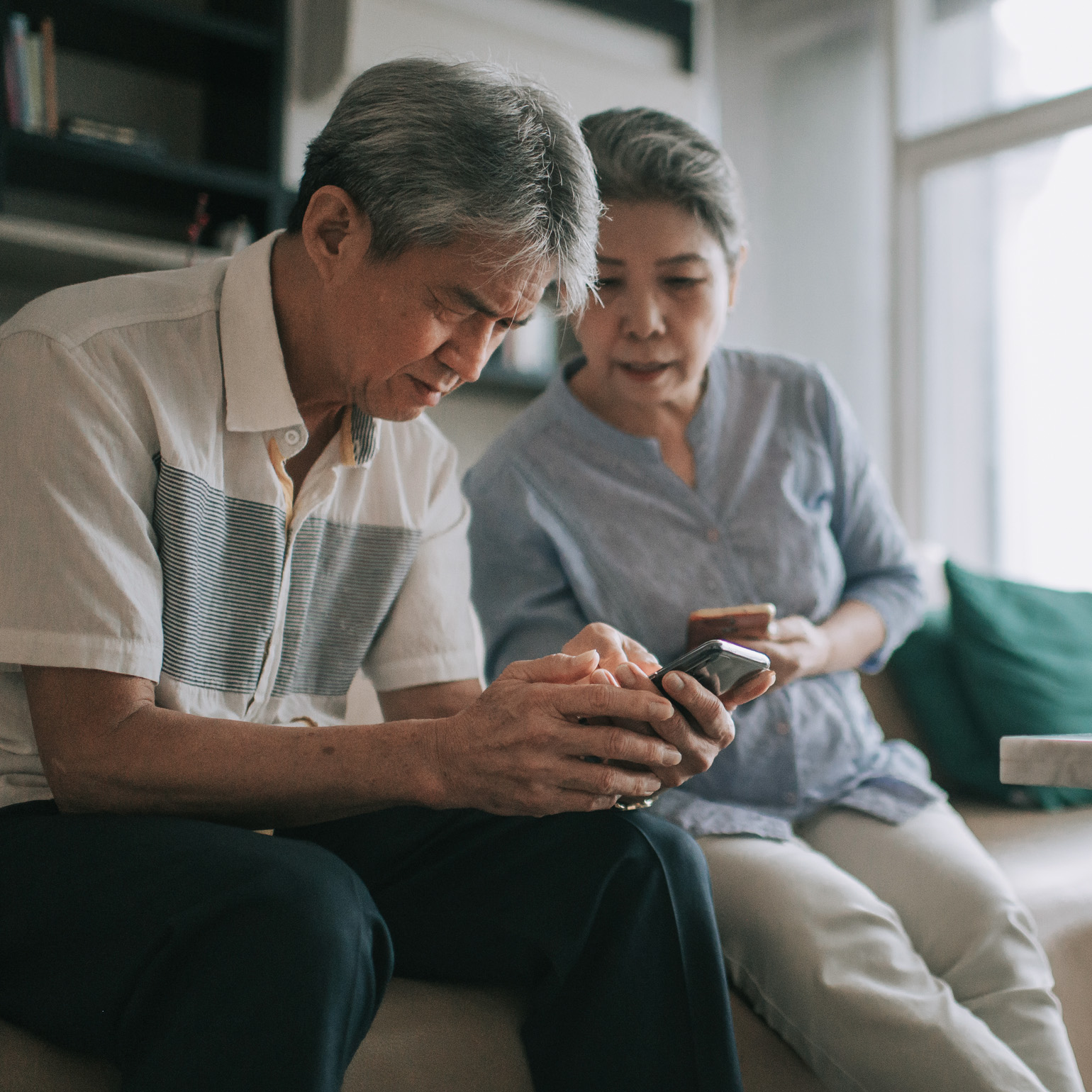
Security Tips
- NEVER click on the hyperlinks in suspicious emails or messages.
- NEVER log into websites that are not verified.
- ALWAYS pay extra attention if a website asks for personal or account details.
- ALWAYS check if any unauthorised person has made any purchases with your accounts.
- Contact your bank immediately if an authorised person has access to your bank details.
- Update your computer’s antivirus software and run a scan.
- If you suspect that you have fallen prey to a scam, save relevant emails or messages and report the case to the police.
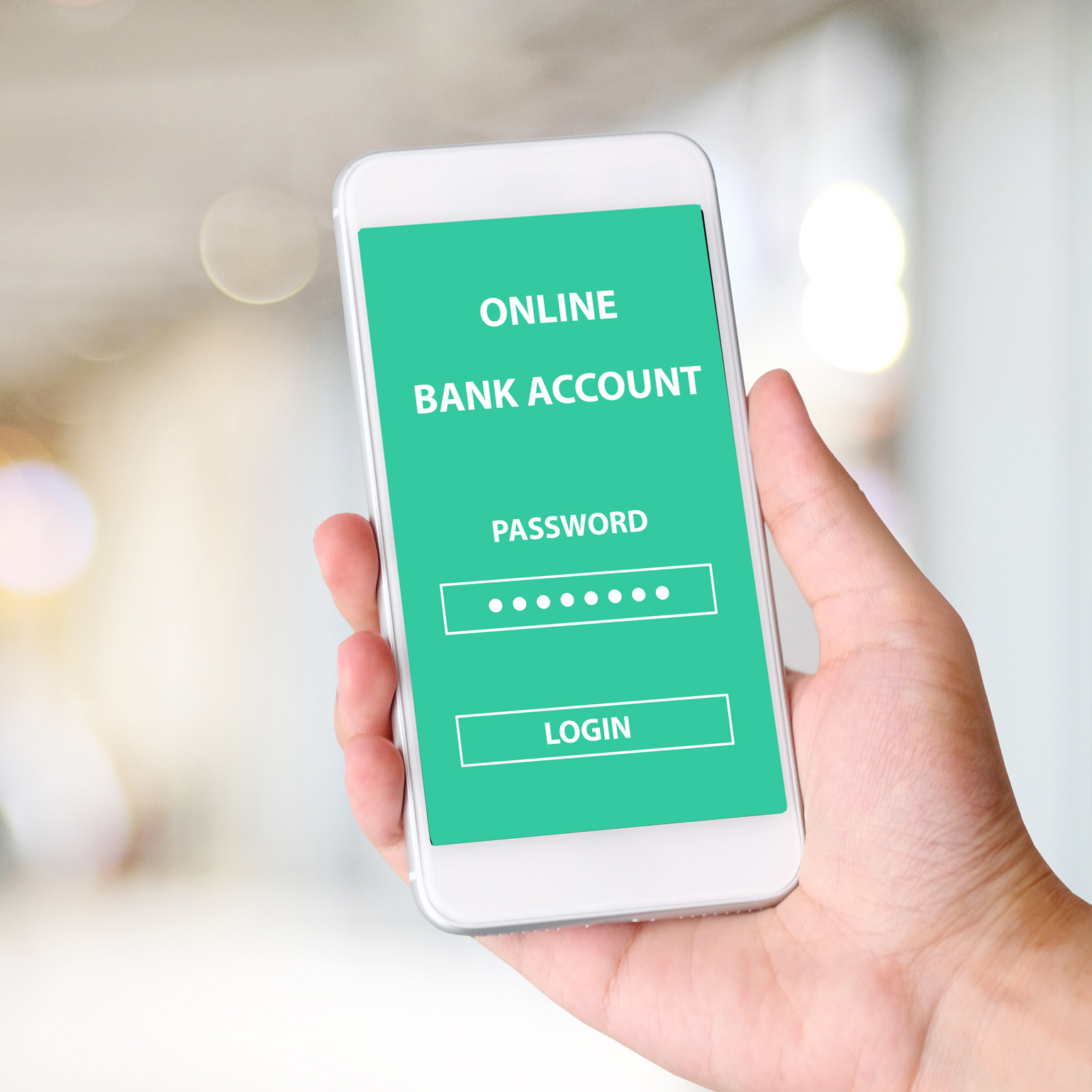
Phishing SMS – CMHK
Defrauding Tricks
Recently, there have been scammers impersonating staff from China Mobile Hong Kong Company Limited (CMHK) sending fraudulent phishing SMS messages under the name of “CMHKnotice”. The messages claim that there are irregularities with the recipients’ CMHK mobile number and service will be suspended unless the recipients click on a link to a website. The fraudulent website asks for personal information and credit card details.
Our Advice
- Do not click links to suspicious websites embedded in emails or SMS messages.
- Do not open attachments in suspicious SMS messages.
- Do not enter personal information, credit card details or security codes via unknown applications or websites.
- Remind friends and relatives to stay vigilant.
- If in doubt, please call the Anti-Scam Helpline on 18222.
Phishing Email – IRD
Defrauding Tricks
Recently, there have been scammers impersonating staff from the Inland Revenue Department sending fraudulent emails titled “HK-Refund-Online-Confirmation”. The emails provide a hyperlink to a fraudulent website which asks for personal particulars and credit card information.

Our Advice
- Do not click links to suspicious websites embedded in emails or SMS messages.
- Do not open attachments in suspicious SMS messages.
- Do not enter personal information, credit card details or security codes via unknown applications or websites.
- Remind relatives and friends to stay vigilant.
- If in doubt, please call the Anti-Scam Helpline on 18222
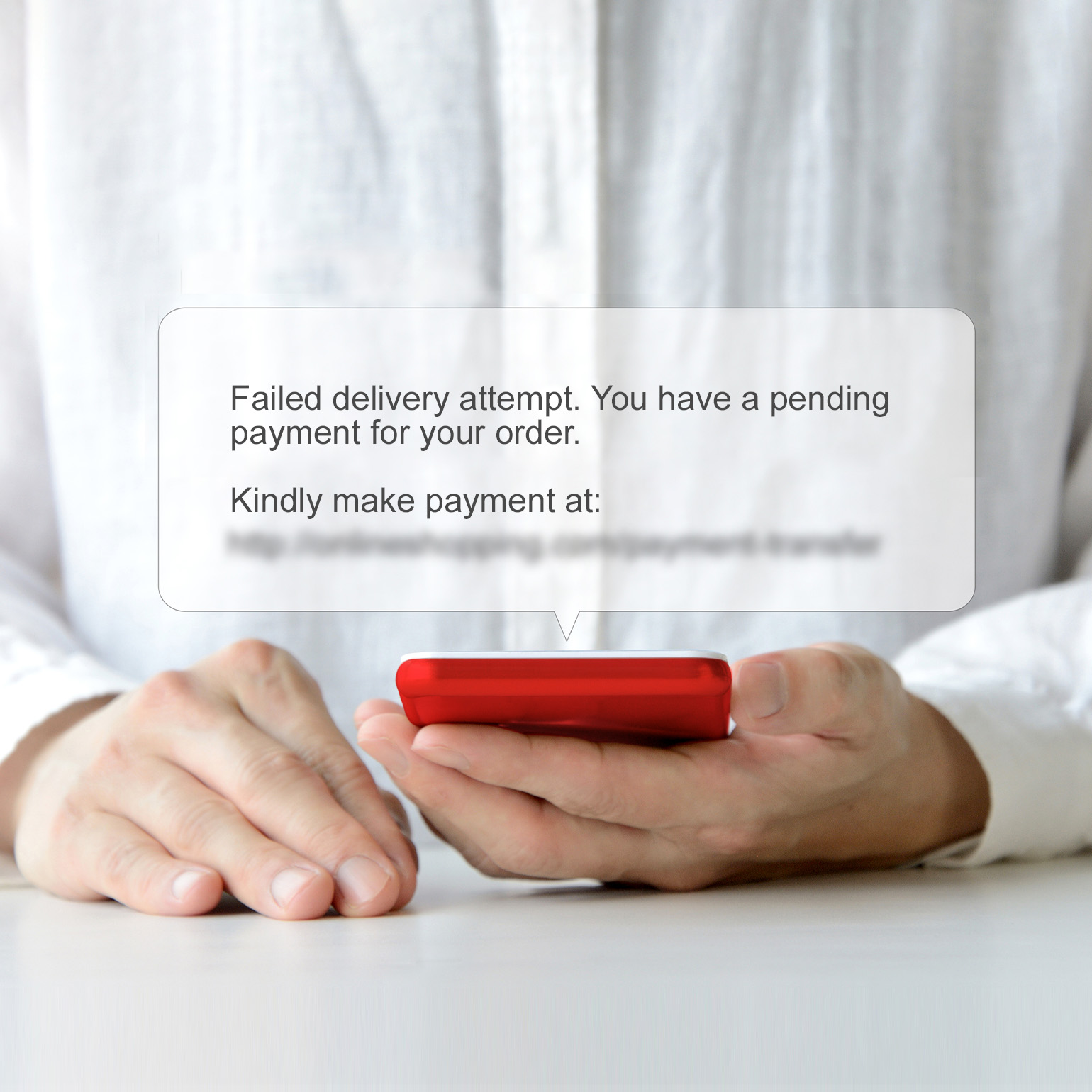
Phishing SMS – SFHK
Defrauding Tricks
Recently, members of the public have received phishing SMS messages purporting to be from SF Express (Hong Kong) Limited (SFHK), claiming that the recipients’ express parcels are undeliverable. The victims are asked to click on a link to a fraudulent website where they are asked to provide personal information or credit card details.
Our Advice
- Do not click links to suspicious websites in SMS messages.
- SFHK states that they would never ask for sensitive personal information (such as identity document numbers, bank account numbers, PIN codes or credit card numbers) when contacting customers about a delivery—whether by phone, emails or SMS messages. For more details, see the notice on the SFHK website or contact their service hotline.
- Remind friends and relatives to stay vigilant.
- If in doubt, please call the Anti-Scam Helpline on 18222.